
fast turn PCB prototype handle both analog and digital signals
As the name implies, a fast turn PCB prototype can be manufactured in a shorter production timeline than a standard circuit board. This expedited service is useful during the prototyping phase of a project, when engineers need to test out the functionality of a product. While these prototypes are not designed to withstand the stresses of full production, they can help determine whether a design is ready for market launch.
A fast turnaround for a PCB prototype can be difficult to balance with the need to maintain quality standards. This challenge is especially acute when manufacturing HDI (High Density Interconnect) boards. In fact, HDI technology can create a number of challenges for the fabrication and assembly process, making it crucial to select a manufacturer that is equipped to handle these demands.
Despite the challenges that come with short production timelines, it is possible to deliver high-quality PCB prototypes in quick turnarounds. The key is to find a manufacturer who can provide all the necessary components, while maintaining rigorous quality control standards throughout the production process. This requires a manufacturer with advanced equipment and experienced staff that can produce high-quality boards in tight deadlines.
Before manufacturing a fast-turn PCB, the manufacturer must conduct a Design for Manufacturability (DFM) review to identify any issues that might delay production or require a change in design. This process helps minimize cost and delivery delays, and allows designers to address any potential problems early in the development cycle. A thorough DFM review is critical to a successful fast-turn project, and it is important for designers to communicate effectively with their manufacturers during this process.
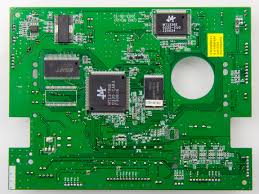
Can a fast turn PCB prototype handle both analog and digital signals?
In addition to a thorough DFM review, it is important for manufacturers to have a strong partnership with their customers. Providing a full list of Technical Questions (TQs) within hours of receiving an order is one way to avoid any surprises during production. The manufacturer should also commit to resolving all TQs before beginning production, as this will prevent delays in delivery.
To ensure that the final product meets all applicable industry standards, fast turn pcb prototype must undergo rigorous testing and inspection. This process can include a visual inspection, functional testing, and AOI (Automated Optical Inspection). AOI is particularly important for high-density interconnect (HDI) boards, as they typically have more layers and more complex connections than traditional PCBs. To keep quality standards high, it is crucial to use an AOI system with advanced X-ray capabilities.
A reliable, fast-turn PCB manufacturer should offer all of the above services in-house. This can reduce costs, improve the overall quality of the finished product, and ensure that all components meet industry standards. In addition, manufacturers should commit to implementing smart factory technologies that connect all aspects of the production process to increase efficiency and shorten lead times. For example, an automated QA system can streamline inspection and reporting by enabling the integration of a variety of quality testing and data collection systems into one software platform.
