

flex PCB suppliers
PCBs are a crucial component for the successful design and production of electronic circuit assemblies. With new advances in technology and materials, PCBs have become lighter, thinner, more flexible, and durable. These innovations enable a wider range of applications in devices that are compact and space-constrained. Partnering with a capable flex PCB supplier geared to handle the complexity, quality requirements, and volumes of your particular product is essential for realizing the benefits that this technology provides.
flex pcb supplier are used in a wide range of electronics and communication products, including consumer gadgets like tablets and laptops, as well as industrial electronics such as sensors and control systems. They also play a key role in emerging 5G network infrastructure and wearable communications devices. The high data rates and frequencies that these networks are capable of handling require advanced electronic components with a high degree of flexibility. Flexible PCBs deliver on this demand by allowing for the integration of complex electrical and physical functions into compact, portable, and durable electronic circuit assemblies.
The process of forming a flex circuit begins with selecting the proper substrate material. The most common flex PCB materials are FR4, Rogers 4003, and Polyimide (PI). PI is the preferred choice due to its durability, thermal stability, and cost-benefit ratio. An ultrathin rolled annealed copper foil is then laminated to the substrate, with the thickness chosen based on current carrying needs and desired flexibility. The copper is then patterned using photoresist and etched to create the necessary conductive paths or traces, with the exposed areas bonded with an adhesive to the substrate.
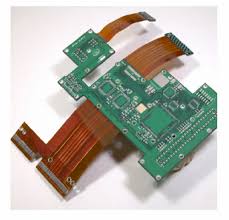
How do flex PCB suppliers ensure product durability?
A solder mask, silkscreen, and if needed, plating some edge terminals with gold are the next steps in the fabrication process. Depending on your application, you may choose to add stiffeners to selected areas of the flex circuit board. Stiffeners are rigid materials such as FR4 or metal (not specified in the PCBWay example) added to select locations on the flex circuit board to give it additional mechanical stability. Adding stiffeners increases the overall manufacturing cost of the flex circuit board.
After the etching and plating processes are complete, the flex circuit is ready for inspection and testing. During this step, critical test parameters are evaluated, such as flex cycle endurance, dynamic bend tests, torsion and twist, adhesive bond strengths, and electrical continuity during and after flexing. Performing these tests will help ensure that the flex circuit boards you receive are of a high quality and can reliably perform as required by your application.
When choosing a flex PCB manufacturer, it is important to find one with extensive experience and a proven track record. A reputable provider will be able to provide you with an accurate estimate of the cost and timeframe for your project, as well as answer any questions that you might have. In addition to providing a cost-effective solution, a good flex PCB supplier will comply with industry standards and regulations such as IPC-6013.

