
solder masks contribute to pcb and pcba reliability
Printed Circuit Boards (PCBs) are the backbone of modern electronics, serving as the platform upon which electronic components are mounted and interconnected. Ensuring the reliability of PCBs and their assembled counterparts, Printed Circuit Board Assemblies (PCBAs), is crucial for the performance and longevity of electronic devices. Among the various elements that contribute to their reliability, solder masks play a pivotal role.
Solder masks are protective layers applied to PCBs to insulate copper traces and prevent unintended electrical connections during the soldering process. They are typically composed of epoxy resin, which is applied over the copper traces, leaving only the areas where soldering is intended exposed. This protective barrier shields the underlying copper from environmental factors such as moisture, dust, and chemical contaminants, which can lead to corrosion and electrical shorts over time.
One of the primary ways solder masks enhance pcb and pcba reliability is by preventing solder bridges. During the soldering process, molten solder is applied to bond electronic components to the PCB. Without a solder mask, there is a risk of solder spreading beyond its intended area and forming unintended connections between adjacent copper traces, known as solder bridges. These bridges can cause short circuits, compromising the functionality and reliability of the circuit.
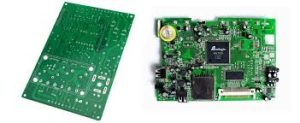
How do solder masks contribute to pcb and pcba reliability?
Moreover, solder masks contribute to the mechanical integrity of PCBs and PCBAs. By providing a protective layer over the copper traces, solder masks help to mitigate the risk of mechanical damage, such as scratches, abrasions, or physical impact, which could otherwise compromise the integrity of the conductive pathways. This is particularly important in applications where PCBs are subjected to vibration, shock, or thermal cycling, as mechanical stress can lead to microcracks or delamination of the copper traces, ultimately affecting the reliability of the circuit.
In addition to mechanical protection, solder masks also offer thermal insulation properties. During operation, electronic devices generate heat, which can affect the performance and reliability of components. Solder masks act as thermal barriers, dissipating heat away from sensitive components and preventing thermal runaway or overheating. By maintaining consistent operating temperatures, solder masks contribute to the overall reliability and longevity of electronic devices.
Furthermore, solder masks play a crucial role in preventing environmental damage to PCBs and PCBAs. Moisture and humidity can infiltrate unprotected copper traces, leading to corrosion and degradation of the circuit over time. Solder masks act as a moisture barrier, preventing water ingress and safeguarding the integrity of the conductive pathways. This is especially important in applications exposed to harsh environmental conditions, such as outdoor electronics or automotive systems, where moisture and humidity levels can fluctuate significantly.
Another significant advantage of solder masks is their role in facilitating automated assembly processes. With the increasing complexity and miniaturization of electronic devices, automated assembly techniques such as surface mount technology (SMT) have become prevalent. Solder masks provide a clear delineation of soldering areas, allowing automated equipment to precisely deposit solder paste onto the designated pads, ensuring accurate and reliable solder joints. This streamlines the manufacturing process and reduces the risk of assembly errors, thereby enhancing overall product reliability.
In conclusion, solder masks are integral to the reliability of PCBs and PCBAs, offering protection against solder bridges, mechanical damage, thermal issues, environmental factors, and facilitating automated assembly processes. By providing a robust barrier between the copper traces and external elements, solder masks ensure the long-term performance and durability of electronic devices across various applications and industries. As technology continues to advance, the importance of solder masks in maintaining the reliability of electronic systems will remain paramount.
