

TikTok Scrapers work
How do TikTok Scrapers work? This is a common question among marketers, researchers, developers, and content strategists who want to better understand trends and audience behavior on one of the world’s fastest-growing social media platforms. TikTok has become a global hub for short-form video content, attracting millions of creators and billions of views daily. With such a vast amount of publicly available data, tools designed to collect and analyze this information have gained significant popularity. This is where Tiktok Scrapers come into play.
At their core, Tiktok Scrapers are software tools or scripts designed to extract publicly accessible data from TikTok. They work by interacting with the platform’s web interface or APIs to gather information such as video titles, hashtags, user profiles, comments, likes, shares, and follower counts. These tools mimic the behavior of a real user browsing the platform, sending requests to TikTok’s servers and then parsing the returned data into structured formats like JSON or CSV. The structured data can then be analyzed for insights, reporting, or integration into other systems.
To understand how Tiktok Scrapers function technically, it helps to look at how web scraping works in general. When a user opens TikTok in a browser, the browser sends requests to TikTok’s servers to load content. The server responds with HTML, JavaScript, and data files that render videos and related information on the screen. Scrapers simulate these same requests programmatically. They may use libraries such as HTTP clients to send requests or browser automation frameworks to load pages just like a regular user would. Once the content is retrieved, the scraper identifies specific data elements in the page structure and extracts them.
More advanced Tiktok Scrapers rely on reverse engineering network calls made by the TikTok web app. Instead of parsing HTML, they directly access JSON responses from background API endpoints that deliver video feeds, trending hashtags, or user details. This method is typically faster and more reliable because it retrieves cleaner, structured data without needing to interpret complex page layouts. However, these endpoints may change frequently, requiring scraper updates to maintain functionality.
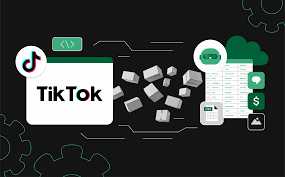
How do TikTok Scrapers work?
Another important component of how Tiktok Scrapers work involves handling anti-bot protections. Platforms like TikTok implement security measures to prevent automated data extraction, such as rate limiting, IP blocking, CAPTCHAs, and behavioral detection algorithms. To bypass these challenges, some scrapers use rotating proxies to distribute requests across multiple IP addresses. Others simulate human-like interactions, including scrolling patterns and time delays between requests, to avoid detection. These techniques aim to reduce the risk of being blocked while collecting data.
Data storage and processing are also key parts of the scraping workflow. Once information is extracted, it is typically cleaned and normalized before being saved into databases or spreadsheets. For example, engagement metrics might be converted into numeric formats, timestamps standardized, and duplicate entries removed. Analysts can then use this data to track trending topics, monitor influencer performance, conduct sentiment analysis on comments, or evaluate hashtag effectiveness over time.
It is important to note that while Tiktok Scrapers can provide valuable insights, their use must align with legal and ethical guidelines. TikTok’s terms of service and regional data protection regulations may restrict certain types of automated data collection. Organizations using scraping tools should ensure they only collect publicly available information and comply with applicable laws to avoid legal complications.
In summary, the answer to “How do TikTok Scrapers work?” lies in understanding web automation, data extraction techniques, and structured data processing. These tools simulate user interactions or directly access backend endpoints to collect publicly available information from TikTok. By transforming raw platform data into organized datasets, Tiktok Scrapers enable deeper analysis of trends, user behavior, and content performance. As TikTok continues to evolve, scraping technologies will likely adapt as well, becoming more sophisticated in both their technical methods and compliance strategies.

