
pcb prototype and assembly design review
Conducting a thorough PCB prototype and assembly design review is a critical endeavor that demands meticulous attention to detail, interdisciplinary collaboration, and structured evaluation methodologies. As a pivotal milestone in the product development lifecycle, a comprehensive design review ensures that the PCB design meets specified requirements, complies with industry standards, and is optimized for manufacturability, reliability, and scalability. Let’s delve into the essential steps and best practices for conducting a thorough PCB prototype and assembly design review.
First and foremost, preparation is paramount. Establish clear objectives, scope, and success criteria for the design review session. Define key stakeholders, including hardware engineers, pcb prototype and assembly, manufacturing specialists, and relevant subject matter experts, and ensure their participation. Gather comprehensive documentation, including schematic diagrams, PCB layouts, assembly drawings, component datasheets, design specifications, and any relevant standards or regulations.
During the design review session, commence with a detailed examination of the PCB schematic and layout. Assess the overall architecture, component placement, signal routing, power distribution, and grounding scheme. Verify the integrity of signal paths, identify potential signal integrity issues such as impedance mismatches, transmission line effects, or crosstalk, and evaluate the effectiveness of mitigation strategies. Additionally, scrutinize the design for compliance with relevant standards and best practices, ensuring adherence to guidelines for electromagnetic compatibility (EMC), signal integrity, and thermal management.
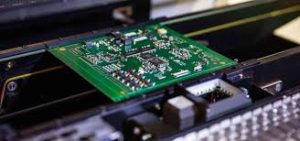
How do you conduct a thorough pcb prototype and assembly design review?
Next, focus on the manufacturability aspects of the design. Evaluate component footprints, pad sizes, solder mask clearances, and copper trace widths for compatibility with manufacturing processes such as surface mount technology (SMT) assembly, soldering, and inspection. Assess the accessibility of components for assembly and servicing, optimize component orientation to minimize assembly complexities, and ensure adequate clearance for automated assembly equipment.
Simultaneously, pay close attention to thermal management considerations. Evaluate the distribution of heat-generating components, ensure sufficient thermal vias and copper pours for heat dissipation, and verify compliance with thermal constraints to prevent overheating and ensure long-term reliability. Additionally, consider environmental factors such as operating temperature ranges, humidity levels, and shock and vibration resistance, and assess the design’s suitability for intended deployment environments.
Furthermore, address reliability concerns by scrutinizing the design for potential failure modes, vulnerabilities, and single points of failure. Conduct a thorough risk assessment using methodologies such as Failure Modes and Effects Analysis (FMEA) or Fault Tree Analysis (FTA) to identify critical failure modes, assess their impact and likelihood, and prioritize mitigation measures. Develop robust contingency plans to address potential failure scenarios and ensure the resilience and reliability of the PCB design.
Moreover, foster collaborative discussion and knowledge exchange among cross-functional teams during the design review session. Encourage active participation from stakeholders, solicit diverse perspectives, and leverage collective expertise to identify optimization opportunities, innovative solutions, and risk mitigation strategies. Foster a culture of open communication, constructive feedback, and continuous improvement to drive excellence in PCB design and development.
In conclusion, conducting a thorough PCB prototype and assembly design review is a multidimensional endeavor that encompasses comprehensive evaluation of schematic, layout, manufacturability, thermal management, reliability, and collaborative problem-solving. By adhering to structured evaluation methodologies, engaging stakeholders, and fostering interdisciplinary collaboration, organizations can identify and address potential issues early in the development process, optimize design integrity, accelerate time-to-market, and enhance the overall success and competitiveness of their electronic products.
