

professional Locksmith
A professional Locksmith plays a vital role in keeping homes, businesses, and vehicles secure while also helping people regain access when they are locked out. Many people think the job is limited to cutting keys or opening doors, but the work of a trained Locksmith is far more detailed and technical. It combines mechanical skill, problem-solving, security knowledge, and customer service to protect property and ensure peace of mind.
One of the primary responsibilities of a Locksmith is working with locks and keys of all types. This includes installing new locks on doors, repairing damaged locking mechanisms, and replacing old or outdated systems. When someone moves into a new home or office, a Locksmith often rekeys the existing locks so that old keys no longer work. This simple but important service improves security without the need to replace the entire lock hardware.
Emergency services are another major part of a Locksmith’s job. People frequently get locked out of their homes, cars, or offices due to lost or broken keys. In these situations, a professional Locksmith responds quickly and uses specialized tools to open doors without causing damage. This requires training and experience, as different locks demand different techniques. A skilled Locksmith knows how to handle these emergencies efficiently while keeping the customer calm and informed.
Automotive services are also commonly provided by a modern Locksmith. Car locking systems have become increasingly advanced, using transponder keys, remote key fobs, and electronic ignition systems. A qualified Locksmith can cut and program car keys, repair or replace ignition cylinders, and unlock vehicles safely. This service is especially valuable because it often provides a faster and more affordable alternative to visiting a dealership.
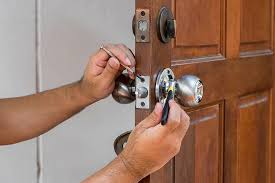
What does a professional Locksmith do?
Security consultation is another important aspect of what a Locksmith does. Beyond fixing immediate lock problems, a professional Locksmith assesses the overall security of a property. They may recommend stronger locks, deadbolts, smart locks, or access control systems based on the client’s needs. For businesses, a Locksmith can help design master key systems that allow different levels of access for employees while maintaining control over restricted areas.
In commercial and industrial settings, a Locksmith handles more complex systems. These may include high-security locks, panic bars, door closers, and electronic access systems. A Locksmith ensures that these systems comply with safety regulations and function properly. Regular maintenance and timely repairs by a professional Locksmith help businesses avoid security failures and costly downtime.
Technology has significantly changed the profession, and today’s Locksmith must stay updated with new advancements. Smart locks, biometric systems, and keyless entry solutions are now common. A professional Locksmith installs, programs, and troubleshoots these modern systems while also educating customers on how to use them effectively. This blend of traditional mechanical knowledge and modern digital skills defines the profession today.
Customer trust and professionalism are essential in this line of work. A Locksmith often works with sensitive security information and has access to private spaces. For this reason, reputable Locksmith professionals follow ethical standards, verify ownership before providing services, and operate with transparency. Their goal is not only to solve a problem but also to build long-term trust with clients. In summary, a professional Locksmith does much more than open locks or cut keys. From emergency lockouts and automotive services to advanced security installations and consultations, a Locksmith is a key figure in protecting people and property. Their expertise ensures safety, convenience, and confidence in everyday life, making their role both practical and essential in modern society.

