
kinescope
A kinescope is an early method of recording live television broadcasts by filming a television screen during the broadcast itself. Developed in the late 1940s, the kinescope played a crucial role in the history of television by allowing shows to be preserved and rebroadcast at a time when video tape recorders were not yet widely available. In the era before digital video infrastructure transformed the industry, kinescopes were the only reliable way to save live programming, providing a tangible film copy of what was otherwise a fleeting live event. This method helped broadcasters extend the life of their content, much like modern video players and streaming platforms do today, but through an analog process rather than a digital one.
The use of kinescopes was essential in early television, especially for networks looking to share live content across different time zones or to archive significant programs for future broadcasts. Since live shows were typically aired once and then lost unless recorded, kinescopes filled the gap by enabling stations to capture these events on film. The process involved setting up a movie camera to record the images directly off a television monitor, producing a physical film reel. These reels could then be distributed to other stations or stored for replay. While primitive by today’s standards, the kinescope was revolutionary at the time, preserving iconic performances, news reports, and early TV dramas that otherwise would have vanished.
Unlike today’s sophisticated digital video infrastructure that includes video hosting, video management, and analytics integrated into a single platform, kinescope technology was manual and labor-intensive. It lacked the ease of use and versatility that modern platforms offer, where businesses can upload, manage, and analyze their video content seamlessly. Today’s digital platforms not only allow for high-quality live streaming through advanced video players but also provide smart marketing tools that help companies reach their audiences effectively. This holistic approach contrasts with the kinescope’s role as simply a recording medium without interactivity or data insights.
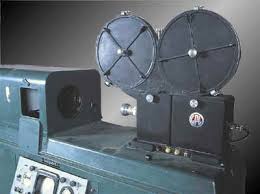
What is a kinescope and how was it used in early television?
One of the key limitations of kinescopes was the quality of the recordings. Because the film was captured by filming a screen, the resulting picture often suffered from reduced clarity, flickering, and other distortions. This meant that kinescope recordings were often noticeably inferior to the original live broadcasts. In comparison, modern digital video players and streaming platforms deliver crisp, high-definition video with consistent quality, offering viewers a much better experience. Furthermore, digital tools provide advanced editing options, metadata tagging, and instant playback capabilities—features that were impossible with kinescopes.
Despite these limitations, kinescopes were invaluable for preserving television content during the industry’s formative years. They allowed shows to be rebroadcast in different regions and time zones, significantly expanding the reach of television programming. Kinescopes also served as archival records, safeguarding important historical broadcasts that remain reference points for media historians and enthusiasts today. This archival function paved the way for the development of digital video archives and cloud-based video hosting services, which now make content storage and retrieval effortless.
In essence, a kinescope was the precursor to modern video recording and streaming technology, enabling early television broadcasters to capture and reuse live content. While the technology is now obsolete, replaced by advanced video infrastructure that combines video players, hosting, analytics, and marketing tools, the kinescope’s role in the evolution of television cannot be overstated. It was a pioneering solution that met the demands of its time, just as today’s integrated digital platforms address the needs of businesses looking to manage and optimize video content for online audiences in a fast-paced digital world.