
Materials Are Used in Electronics Boards
When designing and building a circuit board, it’s important to choose the right materials. There are many different options available, but some stand out as more appropriate for particular types of projects. The cost and availability of these materials should also be considered. The ideal material will be able to meet both electrical and thermal parameters.
The basic structure of a printed circuit board consists of a copper layer, which is then encased in two layers of strong, insulating dielectric material such as fiberglass. This composite is often referred to as a “board.” The most common type of electronics board is green FR-4, which contains a woven fiberglass substrate and a flame-resistant epoxy resin binder.
A circuit board’s conductive layer is printed with a pattern to form the necessary connections for the circuit. The copper is then etched to create the desired path for electrons to flow, while a layer of protective material such as a photoresist protects the copper from dissolving into the etching solution. The resulting image is then mass-produced using photolithography, a process similar to how photographs are reproduced from negatives and positives using photographic printing.
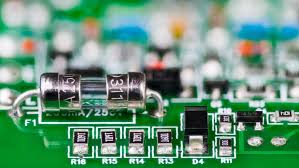
What Materials Are Used in Electronics Boards?
One of the main factors in choosing a PCB material is its dielectric constant and loss tangent. These properties influence signal transmission and help prevent interference with adjacent circuits. They also determine how much energy is lost in the form of heat during transmission. The lower the losses, the higher the efficiency of the circuit board. However, choosing unnecessarily low-loss materials can cause the signals in a circuit to degrade.
Another critical factor is the board’s ability to withstand high temperatures and stresses. These factors are particularly important for medical, aerospace, and automotive projects. The ability to withstand environmental exposure is also important, as it helps protect the board from corrosion and degradation. Moisture resistance is especially crucial, as it reduces issues such as delamination and malfunctions due to moisture ingress.
Besides the aforementioned characteristics, it’s also important to consider the physical and chemical properties of the board’s material. This will affect the durability and longevity of the board.
For example, the glass transition temperature (Tg) of FR-4 is 130 to 140 degrees Celsius, which means it can withstand moderate operating temperatures. It also has a high strength, which reduces the risk of warping and bending.
Other important considerations include the board’s chemical and temperature stability, moisture resistance, and ability to withstand mechanical stress. The board’s material should be RoHS-compliant to ensure it doesn’t contain any harmful chemicals.
