
prevent solder balling during Fast turn pcb assembly
Preventing solder balling is a critical concern in fast turn PCB assembly, as it can lead to electrical shorts, reliability issues, and performance problems in electronic devices. Solder balling occurs when small droplets of solder form unintended spherical shapes on the surface of the printed circuit board (PCB) or components during the soldering process. These solder balls can bridge adjacent pads or traces, causing short circuits, or become dislodged and cause contamination within the device. To prevent solder balling, several measures are implemented throughout the PCB assembly process.
One effective measure to prevent solder balling is optimizing solder paste deposition. Solder paste, a mixture of solder alloy particles and flux, is applied to the PCB pads before components are placed and soldered. Uneven or excessive solder paste deposition can lead to the formation of solder balls during reflow soldering. By carefully controlling the volume, consistency, and placement of solder paste using precision stencil printing techniques and solder paste inspection systems, manufacturers can minimize the risk of solder balling and ensure uniform solder joint formation.
Moreover, optimizing reflow soldering profiles is essential for preventing solder balling in surface mount assembly. Reflow soldering involves heating the fast turn pcb assembly to melt the solder paste and create solder joints between the components and the PCB pads. Rapid temperature changes or uneven heating can cause solder balls to form due to excessive flux activity or incomplete wetting. By fine-tuning reflow soldering profiles to achieve gradual and uniform heating and cooling rates, manufacturers can minimize the risk of solder balling and ensure reliable solder joint formation.
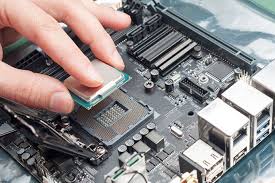
What measures are taken to prevent solder balling during Fast turn pcb assembly?
Additionally, using solder alloys with appropriate melting temperatures and surface tension properties can help prevent solder balling during fast turn PCB assembly. Certain solder alloys are more prone to balling due to their composition and characteristics. By selecting solder alloys specifically designed for surface mount assembly and optimizing their properties to match the requirements of the assembly process, manufacturers can reduce the likelihood of solder balling and improve soldering quality and reliability.
Furthermore, implementing proper process control measures and inspection techniques is essential for identifying and addressing potential solder balling issues early in the assembly process. Automated optical inspection (AOI) systems and X-ray inspection equipment can help detect solder balls quickly and accurately, allowing manufacturers to take corrective actions before the assembly progresses further. By integrating robust inspection processes into fast turn PCB assembly workflows, manufacturers can minimize the risk of solder balling and ensure high-quality, reliable PCB assemblies.
Moreover, optimizing the cleanliness of the PCB and component surfaces is essential for preventing solder balling. Contaminants such as dust, oils, and residues can interfere with solder wetting and promote the formation of solder balls during reflow soldering. Proper cleaning and preparation of PCBs and components before soldering, using techniques such as ultrasonic cleaning or plasma treatment, can help ensure clean, oxide-free surfaces and minimize the risk of solder balling.
In conclusion, preventing solder balling is essential for ensuring the reliability and performance of PCB assemblies in fast turn PCB assembly. By implementing measures such as optimizing solder paste deposition, refining reflow soldering profiles, selecting appropriate solder alloys, implementing robust process control and inspection measures, and maintaining clean PCB and component surfaces, manufacturers can minimize the risk of solder balling and produce high-quality, reliable PCB assemblies. As demand for faster turnaround times and higher-quality products continues to grow, preventing solder balling will remain a critical focus area in the electronics manufacturing industry.
