
Understanding the range of services available at a hair restoration clinic is essential for anyone considering treatment for thinning hair or hair loss. Northwestern Hair Restoration offers a comprehensive suite of medical and aesthetic solutions designed to address hair loss at every stage, with a strong emphasis on personalization, precision, and long-term results. Based in Chicago and led by an experienced physician, the clinic focuses on both surgical and non-surgical options for men and women seeking natural-looking outcomes.
A Comprehensive Approach to Hair Restoration
At Northwestern Hair Restoration, the philosophy centers on treating hair loss as a highly individualized condition rather than a one-size-fits-all problem. Each patient begins with a detailed consultation that evaluates hair density, scalp health, family history, and future hair loss patterns. This method ensures that every treatment plan supports not only immediate improvement but also sustainable results over time.
Advanced FUE Hair Transplantation
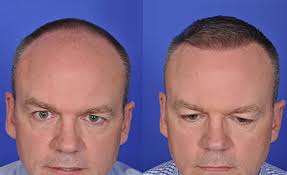
One of the cornerstone services offered is Follicular Unit Extraction (FUE) hair transplantation. This modern technique involves harvesting individual hair follicles from donor areas and implanting them with precision into thinning or balding regions. FUE is minimally invasive, leaves no linear scarring, and allows for faster recovery compared to older transplant methods. At Northwestern Hair Restoration, meticulous hairline design and graft placement are key priorities, ensuring transplanted hair blends seamlessly with existing growth and continues to look natural as patients age.
Non-Surgical Hair Loss Treatments
Not every patient requires or desires surgery, which is why Northwestern Hair Restoration also provides a variety of non-surgical hair loss solutions. These treatments are ideal for individuals in early stages of thinning or those looking to strengthen existing hair. Options may include medical therapies that support follicle health, reduce shedding, and encourage regrowth. These approaches can be used on their own or alongside surgical procedures for enhanced outcomes.
Personalized Solutions for Men and Women
Hair loss affects men and women differently, and the clinic’s services reflect that distinction. Women experiencing diffuse thinning, part widening, or hormonal hair changes benefit from customized treatment strategies that focus on density improvement without altering feminine hairlines. Men, on the other hand, often seek restoration of receding hairlines or crown areas. Northwestern Hair Restoration tailors each plan to match the patient’s goals, facial structure, and lifestyle.
Scalp Health and Long-Term Planning
A unique aspect of the clinic’s service offering is its attention to scalp health and long-term hair preservation. Healthy hair growth depends on a healthy scalp, so treatments often incorporate strategies to improve circulation, reduce inflammation, and maintain follicle viability. Long-term planning also plays a critical role, helping patients manage progressive hair loss over decades rather than focusing solely on short-term cosmetic fixes.
Education, Transparency, and Ongoing Care
Patients are encouraged to take an active role in their hair restoration journey. Education about realistic expectations, maintenance routines, and future options is a central part of the experience. The clinic’s emphasis on transparency builds trust and helps patients feel confident in their decisions. For additional resources and clinic details, visitors can explore northwesternhair.com to learn more about available services and scheduling.
Restoring Hair and Confidence
Ultimately, the services offered by Northwestern Hair Restoration extend beyond aesthetic improvement. By combining medical expertise with artistic judgment, the clinic helps patients address conditions such as alopecia while restoring self-confidence and peace of mind. Whether through advanced transplantation, non-surgical care, or long-term hair management, the clinic provides comprehensive solutions designed to evolve with each patient’s needs.
