
cleanroom facilities utilized in assembly of printed circuit boards
Cleanroom facilities play a vital role in the assembly of printed circuit boards (PCBs), ensuring the integrity and reliability of electronic components by providing a controlled environment free from contaminants. These specialized environments are designed to minimize the presence of airborne particles, dust, humidity, and other pollutants that can compromise the quality of PCB assemblies. Cleanroom facilities are utilized at various stages of the PCB assembly process, from component handling and soldering to inspection and packaging, to maintain the cleanliness and quality standards required for high-performance electronic devices.
One of the primary uses of cleanroom facilities in assembly of printed circuit boards is component handling and storage. Electronic components, such as integrated circuits, resistors, capacitors, and connectors, are highly sensitive to environmental conditions and can be easily damaged or contaminated by exposure to dust, moisture, or static electricity. Cleanroom facilities provide controlled environments with low levels of airborne particles and humidity, minimizing the risk of component degradation or failure. Components are stored and handled within cleanroom environments to prevent contamination and ensure their integrity throughout the assembly process.
Moreover, cleanroom facilities are utilized during the soldering and assembly of PCBs to maintain the cleanliness of the production environment and prevent solder defects. Soldering processes, such as surface mount technology (SMT) and through-hole assembly, require precise control over temperature, humidity, and airborne contaminants to achieve high-quality solder joints. Cleanroom environments help minimize the presence of soldering residues, flux residues, and other contaminants that can lead to solder defects such as solder bridging, insufficient solder, or voids. By conducting soldering operations in cleanroom facilities, manufacturers can optimize soldering quality and ensure the reliability of PCB assemblies.
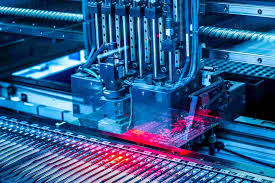
How are cleanroom facilities utilized in assembly of printed circuit boards?
In addition to assembly processes, cleanroom facilities are utilized for inspection and testing of PCB assemblies to ensure compliance with quality standards and specifications. Cleanroom environments provide controlled conditions for visual inspection, automated optical inspection (AOI), and X-ray inspection, allowing manufacturers to detect defects such as soldering defects, component misalignment, and solder joint voids with high accuracy and precision. Cleanroom inspection facilities help identify and rectify any issues or anomalies in PCB assemblies before they escalate into more significant problems, ensuring the reliability and performance of electronic devices.
Furthermore, cleanroom facilities are utilized for packaging and storage of finished PCB assemblies to protect them from environmental hazards during transportation and storage. Cleanroom packaging materials, such as anti-static bags, moisture barrier bags, and protective foam inserts, help shield PCB assemblies from dust, moisture, electrostatic discharge (ESD), and other contaminants that can degrade their quality or functionality. Cleanroom storage areas are equipped with controlled temperature and humidity levels to maintain the integrity of PCB assemblies and extend their shelf life until they are ready for deployment or distribution to customers.
Overall, cleanroom facilities play a crucial role in the assembly of printed circuit boards, ensuring the cleanliness, integrity, and reliability of electronic components and assemblies throughout the manufacturing process. By providing controlled environments free from contaminants, cleanroom facilities help optimize soldering quality, minimize defects, and enhance the performance of PCB assemblies. As electronic devices continue to become more sophisticated and pervasive in various industries, the importance of cleanroom facilities in ensuring the quality and reliability of PCB assemblies will remain paramount.
