

Prevent Delamination in PCB Board Manufacturers
pcb board manufacturers face a range of challenges, including high-quality standards and demanding production times. In some cases, these factors can lead to problems with the base materials used in the construction of printed circuit boards. One of the most common is delamination, which results in gaps or blisters that affect the functioning of a PCB. The first step in averting delamination is understanding what causes it.
The primary cause of pcb delamination is moisture buildup, and this can occur due to poor bonding or uncontrolled environmental conditions. The best way to prevent this is to ensure that the FR-4 base layer remains dry prior to thermal processing. Moisture that accumulates on the existing oxide layer will quickly turn to gas when exposed to heat, resulting in the separation of the layers that make up a PCB.
A pcb manufacturer can also mitigate this issue by following strict environmental controls. This includes ensuring that the temperature and humidity are regulated during rigid-flex manufacturing, storage and handling. The use of conformal coatings with high chemical, humidity and temperature resistance can further reduce the risk of delamination.
Other potential causes of delamination include improper soldering techniques and excessive stress in the board’s construction. It is essential for a pcb to be designed with adequate bend radii that will evenly distribute stresses across the board. This will help to prevent delamination and cracking, as well as facilitating the repair of damaged areas.
Once a delamination problem has occurred, it can be challenging to remedy. This can result in costly downtimes for a company and expensive warranty claims. To avoid this, companies should invest in a thorough inspection and testing process to identify any areas of concern. Nondestructive testing methods, such as x-ray and thermography, can provide detailed analysis of delamination and other issues.
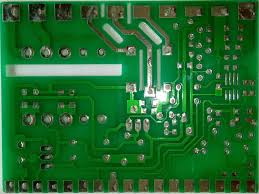
How Do You Prevent Delamination in PCB Board Manufacturers?
There are a number of ways to prevent delamination in pcb board manufacturer, which includes employing batch testing, using high-quality materials and adhering to controlled production processes. Using a manufacturer with extensive experience in producing pcbs can help to eliminate this issue.
Delamination is a serious issue that can negatively impact the functionality and reliability of a printed circuit board. While there are some potential remedies, they are not guaranteed to work. This is why it is so important to avoid the root causes of delamination, which include the lack of proper production methods and environmental conditions. By implementing the necessary prevention strategies, businesses can greatly minimize the likelihood of experiencing delamination during production and assembly.
These include establishing an effective partnership with a manufacturer that is experienced in producing pcbs, avoiding the use of lower-quality materials, and ensuring that the production process is carefully managed. By taking these steps, business can ensure that the quality of their products is consistent and that they are durable and reliable for customers.
Thermal Interface Materials (TIMs): Conductive pastes or pads improve heat transfer between components and heat sinks, reducing thermal resistance. Advanced Packaging: Techniques like integrated heat spreaders and liquid cooling systems enhance thermal management in high-performance applications.

